









Whether you work in an office or from home, you’re likely familiar with the after-lunch slump that makes you reach for another coffee or a soda.
If you’ve front-loaded a lot of caffeine in the morning, this is typically the time you would feel a crash. Eating a large meal or not drinking enough water can also lead to that sluggish feeling.
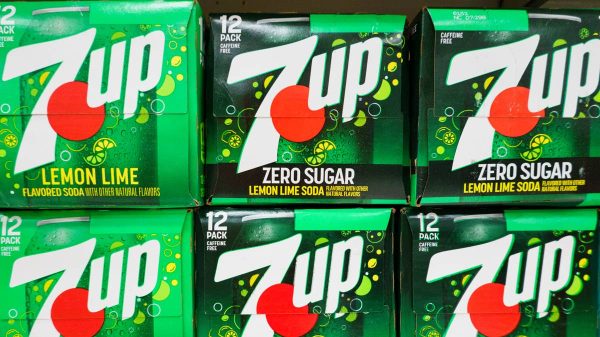
There’s nothing wrong with reaching for a pick-me-up at this time of day, though a short walk or refilling your water bottle is the healthiest option. But if your personal favorite afternoon treat is a Diet Coke, an updated study from the peer-reviewed journal Neurology presents some new data you’re going to want to see.
The study’s newest findings present a concerning link between low- and no-calorie sweeteners (LNCS) used in diet drinks and accelerated cognitive decline.
In a pool of 12,772 Brazilian participants tested over eight years, people younger than age 60 who consumed LNCS regularly showed a faster decline in verbal fluency and global cognition. The studied LNCS included aspartame, saccharin, acesulfame k, erythritol, xylitol, sorbitol, and tagatose.
Six of the seven sweeteners showed a link to cognitive decline, with tagatose being the one that did not.
People below age 60 who consume artificial sweeteners regularly showed a faster decline in verbal fluency and global cognition.
Participants were tested at the beginning, middle, and end of the study to track changes and then separated into three groups based on consumption levels.
The highest consumption level group showed a cognitive decline 62% faster than that of the lowest group. However, those over 60 did not show an association between LNCS and cognitive decline.
Health concerns around artificial sweeteners
This is, of course, far from the only negative news about the consumption of artificial sweeteners. They’ve been associated with gastrointestinal symptoms, cardiovascular effects, and allergic reactions.
Many also think they cause cancer, although current research shows no conclusive evidence linking them to cancer risk. Some newer research, published in Frontiers in April 2026, suggests that use of artificial sweeteners could be passed on to offspring (but, like much of the other research, this study cannot yet confirm it).
More food & drink:
- Starbucks CEO says your local store may not survive
- Taco Bell outbreak deals blow to parent company’s finances
- Pepsi and Coca-Cola bet big on soda Americans say they want
The NutriNet Sant’ study, focused on nutrition and published in 2022, included more than 100,000 people and lasted nine years. Roughly 80% of the participants were women. At the end of the study, artificial sweeteners were linked to a 9% higher risk of any type of cardiovascular problem and an 18% greater risk of stroke.
Meanwhile, the diet soda market has continued to grow, with an estimated value of $55.8 billion in 2025, according to Beverage Industry. An average of 15% of Americans consume it daily, so the mountain of data suggesting adverse health effects isn’t stopping folks from drinking it.
With constant news about the negative effects of sugar, many consumers may think of diet soda as a healthier alternative.
Should I stop drinking diet soda?
While yet another negative study may make you worry you should drop your Diet Coke habit, that may not be necessary just yet.
In an interview with Inc, study author Claudia Kimie Suemoto of the University of São Paulo said the study’s findings don’t translate to a need to eliminate the occasional diet soda. Rather, they raise bigger questions about what long-term, frequent consumption of artificial sweeteners may do to consumers.
“Based on our study alone, I would not tell someone to stop drinking diet soda because of concerns about cognitive impairment,” Suemoto said. However, she does note that the study lends more evidence to a link between artificial sweeteners and type 2 diabetes, as well as cardiovascular disease.
So what should you do if you drink a diet soda daily? Don’t attempt to go cold turkey. First, try a substitute, such as sparkling water or unflavored seltzer. Many sodas also contain caffeine, so you want to be mindful of slowly reducing your intake to avoid headaches.
You can also identify what triggers you to reach for a soda, such as afternoon sleepiness, and substitute a few minutes of stretching or an after-lunch walk. Or try breaking the habit by restricting yourself to ordering soda only when eating out, making it more difficult to reach for one on a daily basis.