














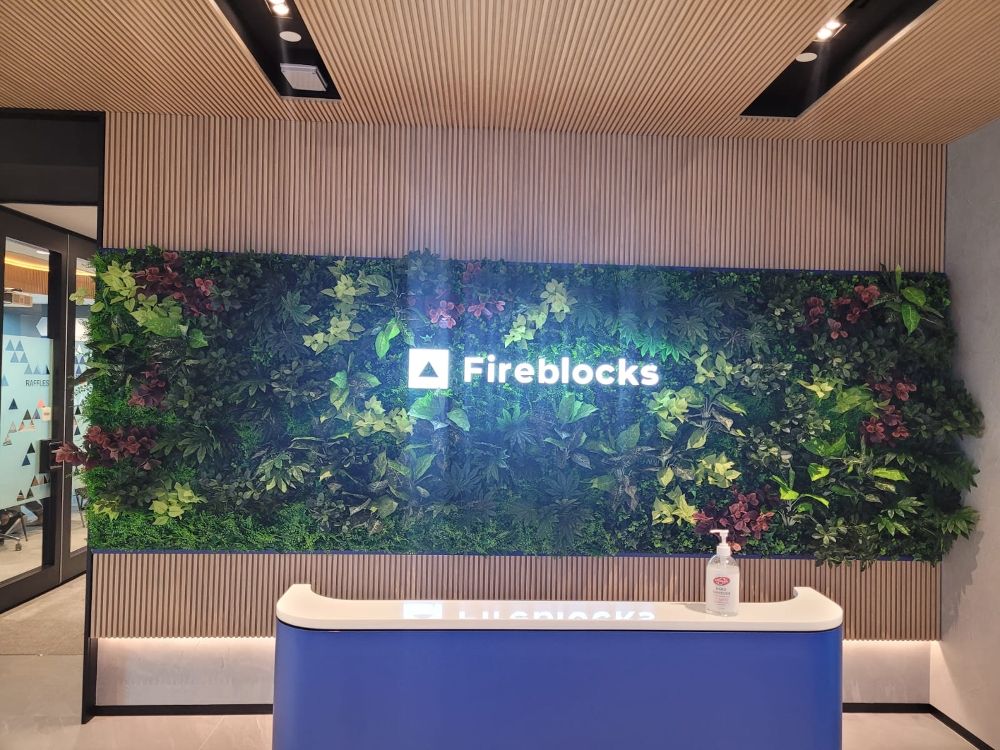
EDX Markets has integrated Fireblocks Network Link, allowing institutions that already use Fireblocks to transfer digital assets into and out of EDX, allocate funds across accounts and rebalance liquidity through existing workflows.
The connection addresses the movement of assets around a trading venue and clearinghouse. It does not mean every EDX trade settles instantly, nor does it remove EDX account controls, supported-asset requirements or Fireblocks permissions. The companies did not publish a list of enabled assets, transfer fees or initial client volume.
EDX operates an institutional-only digital-asset venue alongside a central clearinghouse. Fireblocks provides wallet, policy and connectivity infrastructure used by financial institutions and digital-asset firms.
Network Link Reduces a Separate Transfer Workflow
Institutional traders commonly hold assets across custodians, wallets, exchanges and settlement accounts. Moving capital between them can require separate address books, approval processes and operational checks for each venue.
Network Link lets a Fireblocks client connect to EDX within the environment it already uses. The client can then fund an EDX account, move assets back out and rebalance capital as trading needs change.
Tony Acuña-Rohter, Chief Executive Officer at EDX Markets, said the integration would make it easier for clients to move capital into and out of EDX without leaving their established workflows. He framed the benefit as reduced friction and greater flexibility in deploying capital.
The practical gain is fewer disconnected transfer processes. It does not eliminate the need for approval policies, blockchain confirmations, compliance screening or reconciliation between the participant’s records and the venue.
Asset Mobility Is Different From Trade Settlement
The announcement uses the language of transfers, allocation and rebalancing rather than settlement finality. That distinction matters because moving an asset to a trading account is a separate event from completing the exchange of cash and securities after a trade.
FinanceFeeds recently examined why tokenized trading and settlement are developing on different timetables. A wallet connection can make assets easier to mobilise while legal ownership, netting, payment and finality continue to depend on the venue’s post-trade model.
Other projects are tackling the settlement step directly. Tradeweb completed a synchronised onchain Treasury transaction, while the NYSE is developing an onchain trading and settlement platform with stablecoin-based funding.
The Integration Targets Fragmented Institutional Liquidity
EDX and Fireblocks describe fragmentation across venues, products, regions and operating models as the problem being addressed. An institution may identify a trading opportunity at one venue while its usable assets remain held elsewhere.
Reducing the time and manual work required to reposition those assets can improve capital use. The value depends on which assets are supported, how quickly transfers complete, the controls applied to withdrawals and whether firms can move funds during periods of network congestion.
The release does not disclose those service-level details. It also does not say whether Fireblocks clients receive automatic access to EDX. Institutions still need an EDX relationship and must meet the venue’s onboarding and eligibility requirements.
Institutional Digital Assets Are Converging With Existing Workflows
The partnership follows a broader effort to let regulated firms use digital assets without rebuilding every operational layer. Tokenized-equity structures, for example, still depend on custody and legal rights even when their tokens can move between wallets.
Stablecoin projects face a related issue on the payment side. U.S. Bank’s live USBDC pilot linked an onchain token with an established banking process, rather than treating the blockchain transfer as a complete operating model on its own.
EDX’s Fireblocks integration applies that approach to venue funding. It places asset transfers inside a tool already used by clients, while EDX retains the trading and clearing relationship. The next test is measurable adoption: transfer volumes, supported networks and the reduction in time or manual intervention compared with the previous process.