













How Does Ondo’s New In-Kind Conversion Work?
Ondo Finance has introduced direct conversions between traditional stocks and exchange-traded funds and their tokenized equivalents, giving approved institutions a new way to move securities onto blockchain rails without first funding the transaction with cash.
The service connects Ondo Stocks with Alpaca’s Instant Tokenization Network. An eligible institution can transfer shares already held in its Alpaca account to Ondo through an internal book transfer. Once the shares arrive, the corresponding Ondo Stocks tokens are issued onchain.
The process also runs in reverse. Institutions can redeem Ondo Stocks tokens and receive the underlying shares back into their Alpaca accounts.
Access is currently limited to institutions approved by Alpaca on a case-by-case basis, with participants required to maintain active accounts with both Alpaca and Ondo. Conversions are live on Ethereum and BNB Chain.
The addition builds on Ondo’s tokenized U.S. stocks and ETFs platform, which originally launched with more than 100 assets and has since expanded substantially across blockchain networks and trading venues.
Why Does Converting Shares Directly Matter?
The main change is capital efficiency. Under Ondo’s existing cash-funded model, an institution that already owns a stock but wants its tokenized equivalent still needs separate cash to mint the tokens. That creates an additional funding requirement even though the institution already has exposure to the underlying asset.
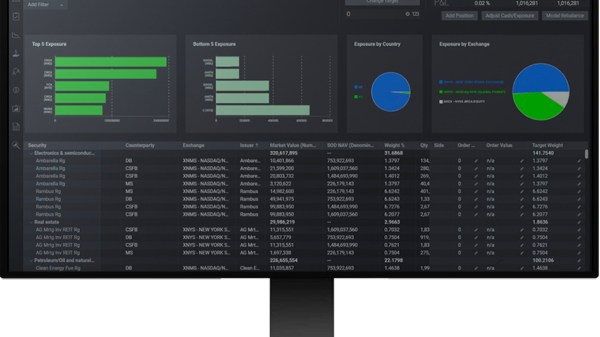
In-kind conversion removes that step. A market maker holding Nvidia shares, for example, can contribute those shares and receive the corresponding tokenized position instead of raising cash, minting the tokens and separately managing the original equity inventory.
Ondo said the structure can reduce financing costs and eliminate timing mismatches between traditional shares and tokenized positions. That could be particularly useful for market makers responsible for supplying liquidity across onchain venues.
The mechanics are similar to the creation and redemption process that has helped traditional ETFs keep market prices close to the value of their underlying portfolios. In both cases, authorized or institutional participants can move between the traded product and its underlying assets rather than relying entirely on secondary-market trading.
Investor Takeaway
The important change is not simply that another stock can exist on a blockchain. Direct share-to-token conversion gives professional liquidity providers a cheaper route for moving inventory between traditional markets and onchain venues, potentially helping tokenized stocks trade with deeper liquidity and tighter spreads.
Could In-Kind Minting Improve Tokenized Stock Liquidity?
Liquidity remains one of the main tests for tokenized equities. A blockchain representation of a stock is considerably more useful when market makers can efficiently arbitrage differences between the token and the underlying security.
Removing the need for a separate cash leg gives institutions another mechanism for replenishing token inventory when demand increases. The same redemption route allows excess token inventory to be converted back into conventional shares.
That connection is becoming more important as tokenized equities spread across wallets, exchanges and decentralized trading applications. Ondo has already expanded the utility of its products beyond basic spot exposure. In July, the company introduced a perpetual futures platform using tokenized stocks as collateral, showing how onchain equities can become building blocks for other financial products.
Alpaca is also becoming a central piece of the tokenized-equity infrastructure. The broker provides execution, clearing, settlement or custody infrastructure for several digital-asset platforms, while its Instant Tokenization Network is designed to connect traditional securities holdings with blockchain representations.
Other platforms are using the same infrastructure in different ways. Coinbase launched tokenized U.S. stocks backed by underlying shares held through Alpaca, illustrating how brokerage infrastructure is increasingly sitting behind products distributed through crypto-native platforms.
How Large Has Ondo’s Tokenized Asset Business Become?
Ondo is already among the largest issuers and distributors in the real-world asset sector. RWA.xyz data shows approximately $3.63 billion in distributed assets across 441 products, placing Ondo second behind Securitize by that measure.
The scale matters because in-kind creation becomes more useful as more institutions provide liquidity across a larger number of tokenized securities. Instead of treating tokenized shares as isolated crypto products, professional firms can potentially manage them alongside conventional equity inventories.
That could narrow one of the remaining gaps between traditional markets and tokenized securities. Blockchain technology can make assets transferable around the clock, but liquidity still ultimately depends on how efficiently participants can move capital between the onchain product and the market for the underlying shares.
Ondo’s latest change targets that bridge directly. If institutional market makers use the new conversion route at scale, the bigger effect may show up not in the number of tokens minted, but in whether tokenized stocks begin trading more like extensions of the underlying equity market rather than separate pools of blockchain liquidity.