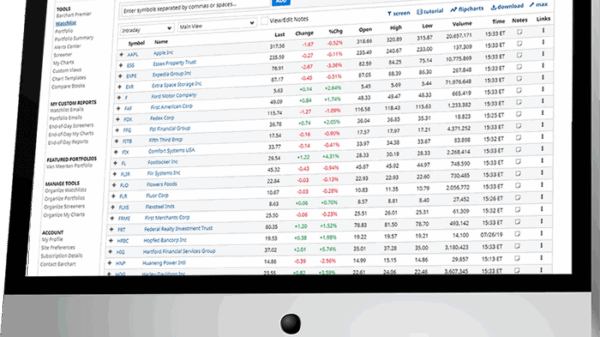












Fastmarkets contributes independently assessed prices across base metals, battery materials, steel, scrap, ores, alloys, minor metals and industrial minerals. Barchart supplies the delivery layer and existing exchange feeds. Clients need an active Fastmarkets subscription to receive the licensed data through Barchart.
A Futures Price Does Not Describe the Entire Supply Chain
The LME and CME provide reference points used for hedging and price discovery, but a copper producer, battery manufacturer or steel buyer rarely manages exposure with one screen price alone. Physical premiums and discounts can move because of freight constraints, inventories, regional demand, quality differences or processing bottlenecks even when the headline futures contract changes little.
Barchart’s direct connection to the London Metal Exchange already gives clients detailed coverage of electronic, ring and interoffice trading. Adding Fastmarkets data broadens the view from traded derivatives to assessed physical markets.
That distinction is especially important in materials that lack a deep central futures market. Battery raw materials and steel inputs often depend on price-reporting agencies to collect market information and publish benchmarks used in contracts. Fastmarkets’ lithium assessments, for example, already support physical agreements and settlement references for contracts listed by several exchanges.
The firm is also working with TMX Trayport on a physical lithium price-discovery platform. That project seeks to organize indications and bilateral deal initiation, while the Barchart arrangement focuses on distributing benchmark data within existing analytical and trading workflows.
The Value Is in Comparing Related Prices
Putting datasets in one interface does not automatically create a better hedge. It does make basis analysis easier. A trader can compare an exchange contract with the physical benchmark most relevant to a shipment or procurement obligation, then examine whether the difference comes from transport, inventory, quality or a temporary dislocation.
For risk managers, that can improve the selection of hedge instruments and the measurement of residual exposure. A company may hedge the broad copper price with futures while retaining risk to a regional premium. A battery supply-chain participant may use a listed contract for part of its exposure while settling a commercial agreement against a price-reporting agency benchmark. Seeing both series through the same data infrastructure reduces the operational work involved in aligning those positions.
The freight dataset adds another variable. Transport costs can materially change the delivered value of bulk commodities and create price differences between regions. Combining freight rates with mine, metal and derivative prices can help users distinguish a global commodity move from a logistics-driven local move.
This approach parallels broader attempts to connect physical and derivative workflows. The Spanish coverage of Fastmarkets Connect highlighted how benchmark providers are moving closer to transactional data while maintaining their role in independent price assessment.
Copper Shows Why the Two Views Can Diverge
Barchart pointed to copper as an example because prices have remained elevated amid constrained supply and demand associated with electrification and computing infrastructure. Those themes can support futures prices, but the physical market determines whether material is actually available in the right form and location.
A futures rally accompanied by rising physical premiums can indicate broad tightness. A rally without confirmation from physical assessments may be driven more heavily by financial positioning or expectations about future demand. The reverse can also occur when a regional shortage appears first in physical premiums before it is fully reflected in a global contract.
Users still need to understand methodology. Exchange prices are generated by executed orders under exchange rules. Price-reporting agencies collect and assess physical-market information under published processes. IOSCO compliance supports governance and consistency, but it does not make an assessment identical to a tradeable futures price.
The distinction also matters as regulators consider transparency in commodity derivatives. FinanceFeeds has examined how reporting rules can affect visibility in gold and oil markets, while the addition of assessed data gives commercial users another perspective when exchange activity alone does not reveal the state of physical supply.
Data Distribution Is Becoming Part of Commodity Competition
Mark Haraburda, Chief Executive Officer of Barchart, said Fastmarkets’ benchmarks enhance the company’s metals offering when paired with its LME connection and CME coverage. Will Osnato, Director of Commodity Data Research and Analysis at Barchart, said users need both the exchange and physical views to understand price drivers.
Raju Daswani, Chief Executive Officer of Fastmarkets, said the distribution agreement should make its price signals available to more market participants as geopolitics, supply-chain complexity and energy-transition demand affect trade flows.
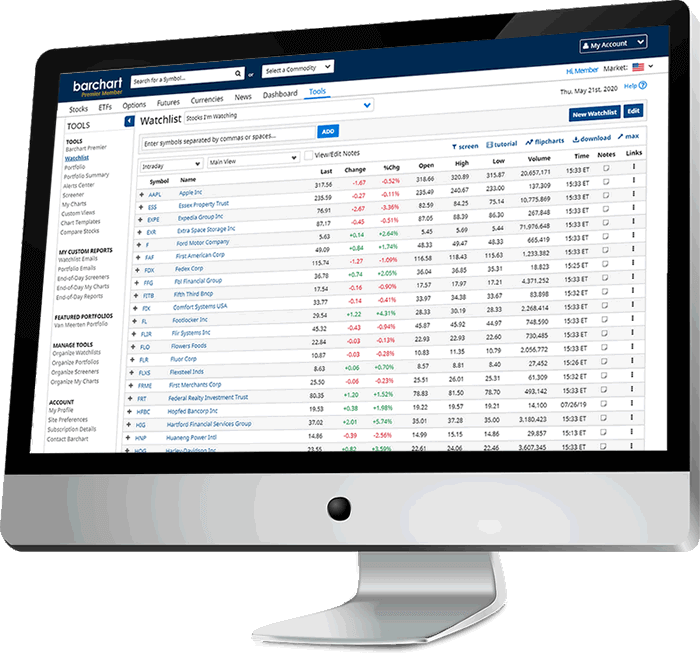
The commercial logic is straightforward. Commodity users increasingly want licensed data through the same screens, APIs and streams that already power their models. For Barchart, broader content can make cmdtyView and its streaming services more useful. For Fastmarkets, distribution through an established market-data platform can extend the reach of its assessments without changing how the underlying benchmarks are produced.
The result is not a single definitive metals price. It is a more complete set of prices describing different parts of the same market. That is more useful for institutions whose exposure begins at the mine, passes through freight and processing, and ends in a contract hedged on an exchange.
Comparable distribution arrangements are spreading across commodities. Parameta and Zema recently combined OTC energy and commodity pricing with analytical infrastructure, showing the same demand for specialist content inside established workflows. The common risk is treating unlike observations as interchangeable, so users need clear metadata showing whether a value is an exchange trade, an indicative quote or an assessed benchmark.
For model developers, history and timestamp alignment will be as important as screen access. Physical assessments may publish less frequently than futures trades, and freight series can follow their own calendars. Barchart’s value will depend partly on preserving those methodological differences while making the datasets easier to compare.
The integration also supports work beyond direct trading. Procurement teams can use physical benchmarks to review supplier formulas, analysts can test whether futures moves are confirmed by delivered prices and treasury teams can measure basis risk. FinanceFeeds’ coverage of Fastmarkets’ lithium initiative shows why these workflows matter in markets where bilateral negotiations still generate much of the usable price information.